Physical Address
304 North Cardinal St.
Dorchester Center, MA 02124
Physical Address
304 North Cardinal St.
Dorchester Center, MA 02124

The US Navy strike on a Venezuelan drug-smuggling vessel marks a significant development in the ongoing efforts to combat narcotics trafficking across the Caribbean and Latin America. This military operation targeted a vessel linked to the Tren de Aragua cartel, a powerful criminal syndicate with deep ties to the region’s drug trade.
The operation was carried out off the coast of Venezuela, targeting a ship suspected of carrying large quantities of illegal drugs intended for global markets. The Tren de Aragua cartel, recognized by the U.S. as a foreign terrorist organization, was reportedly behind the vessel’s drug smuggling activities. This strike is part of a broader U.S. strategy to dismantle criminal syndicates operating in Latin America and disrupt illicit maritime trafficking routes.
In the past year, U.S. Navy forces have intensified efforts to intercept drug shipments heading to North America and Europe, underscoring the increasing urgency of addressing the region’s growing narcotics problem.
The strike has sparked a global debate, with various countries offering differing opinions on the legitimacy of the action.
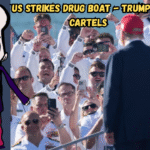
This strike represents more than just a tactical victory. It is part of a larger shift in U.S. military and diplomatic strategies aimed at curbing drug trafficking in the region. President Trump praised the Navy’s role during the 250th anniversary of the U.S. Navy, signaling that these operations are a critical component of U.S. efforts to combat narcotics trafficking in the Caribbean.
“If they cannot smuggle by sea, we will target their operations on land,” Trump stated, underlining a broader campaign against narco-terrorism that may extend to land-based operations in the future.
While the operation has been framed as a necessary step to protect U.S. interests and dismantle dangerous criminal networks, concerns remain about its broader regional implications. There is a fear that such strikes could escalate tensions in an already volatile region, potentially leading to further confrontations between the U.S. and Venezuela, as well as other Latin American countries.
The United Nations has condemned the strike, labeling it as an unlawful extrajudicial killing. The UN argues that the attack violated Venezuelan sovereignty and questioned the legitimacy of unilateral military actions. Critics warn that this could set a dangerous precedent for future interventions in sovereign nations, especially if military force is used without clear legal justification.
Key questions remain about the line between legitimate counterterrorism efforts and unlawful military actions. While the U.S. argues that such operations are necessary to dismantle international drug trafficking networks, critics worry that these interventions could destabilize the region and increase violence in countries already grappling with criminal cartels.
The US Navy strike on a Venezuelan drug-smuggling vessel is a pivotal moment in the global fight against drug cartels. As the U.S. and its allies intensify efforts to curb narcotics trafficking, the consequences of such operations will be felt across the region. The debate over sovereignty, international law, and the role of military force in combating organized crime continues to shape the future of counter-narcotics efforts worldwide.